Original editorial analysis of published product information. We have not conducted hands-on or laboratory testing for this article. Manufacturer claims are identified, and product photographs are credited to their sources.
The overview
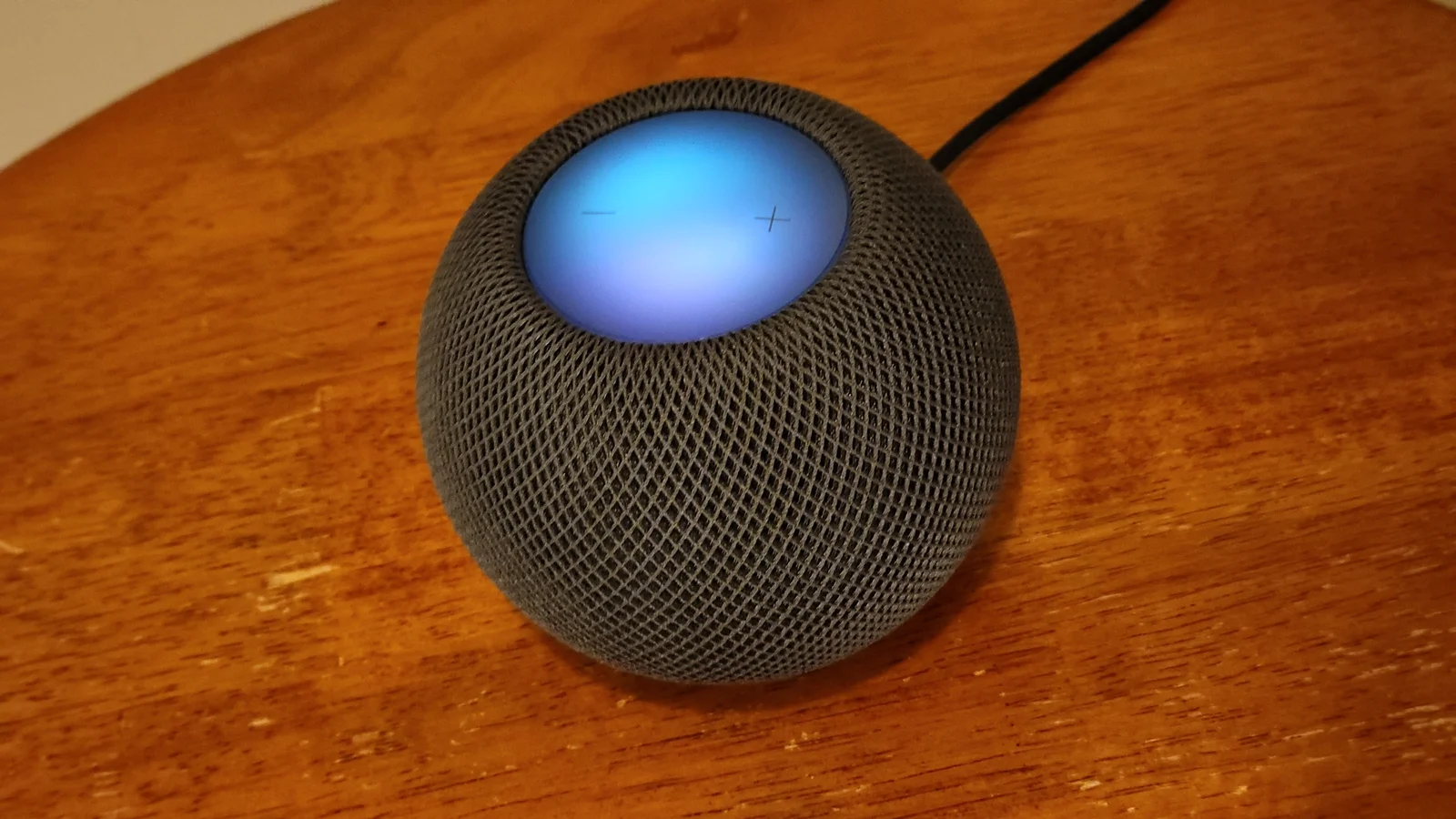
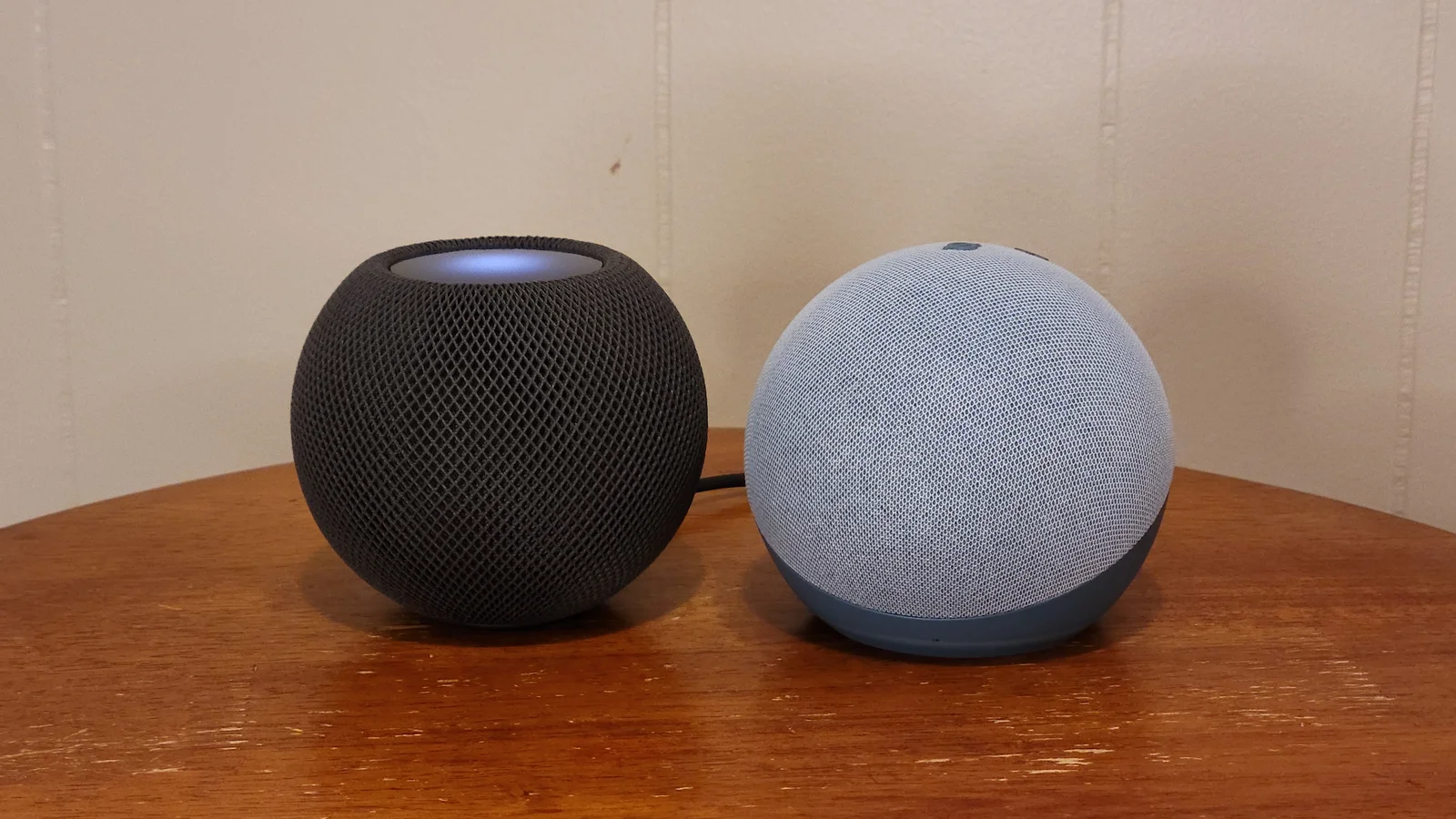
Small smart speakers are often sold as an easy first step into home automation. The original HomePod mini is a reminder that the better first step is choosing how your devices will work together. Its compact body makes it easy to find a place for a speaker, but the wider value depends on your phone, music service, and accessories. This review addresses the original HomePod mini family introduced in 2020; photographs show several finishes, not a claim of a newer generation.
Think in rooms, not specifications alone
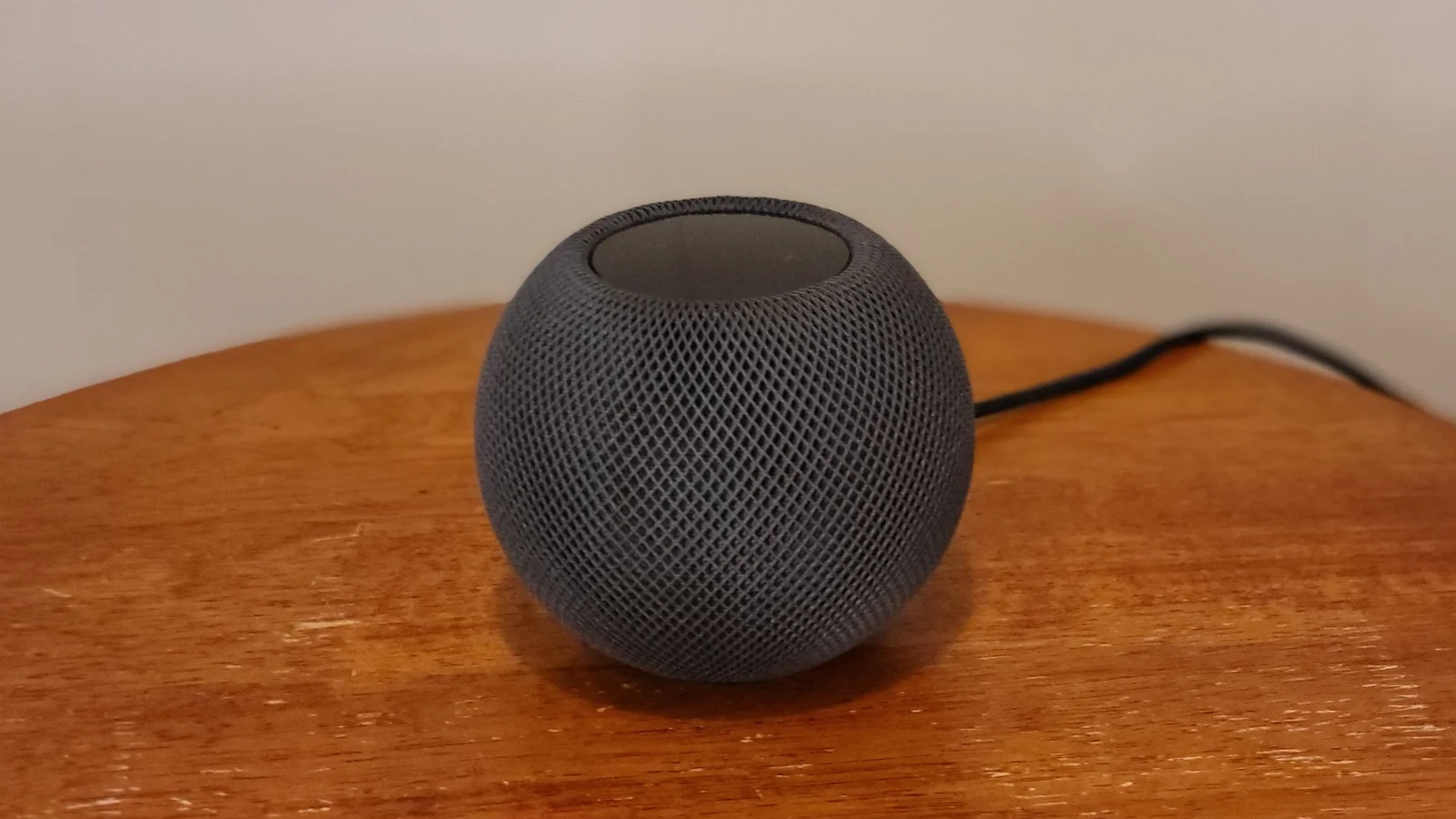
Apple’s compact enclosure and 360-degree sound-field design suggest a speaker intended to sit naturally on a shelf, kitchen counter, or bedside table. Placement still matters. A corner, a hollow shelf, and an open countertop are different acoustic environments. We would decide what the speaker needs to do in that room before purchasing: background listening, spoken audio, and a primary music system are different briefs. This is a specification-based assessment, not a listening test or a measurement of bass extension.
The ecosystem is the main feature
AirPlay and compatible Apple devices are central to the HomePod mini proposition. Before buying, check how your preferred music service works: voice control, app playback, and casting are separate capabilities. A household using several different phone platforms should consider that mix, too. The simplest device is the one everyone can operate without remembering a special workaround. A familiar brand alone is not proof that every existing accessory will appear in the same home-control app.
A useful home role, with compatibility checks
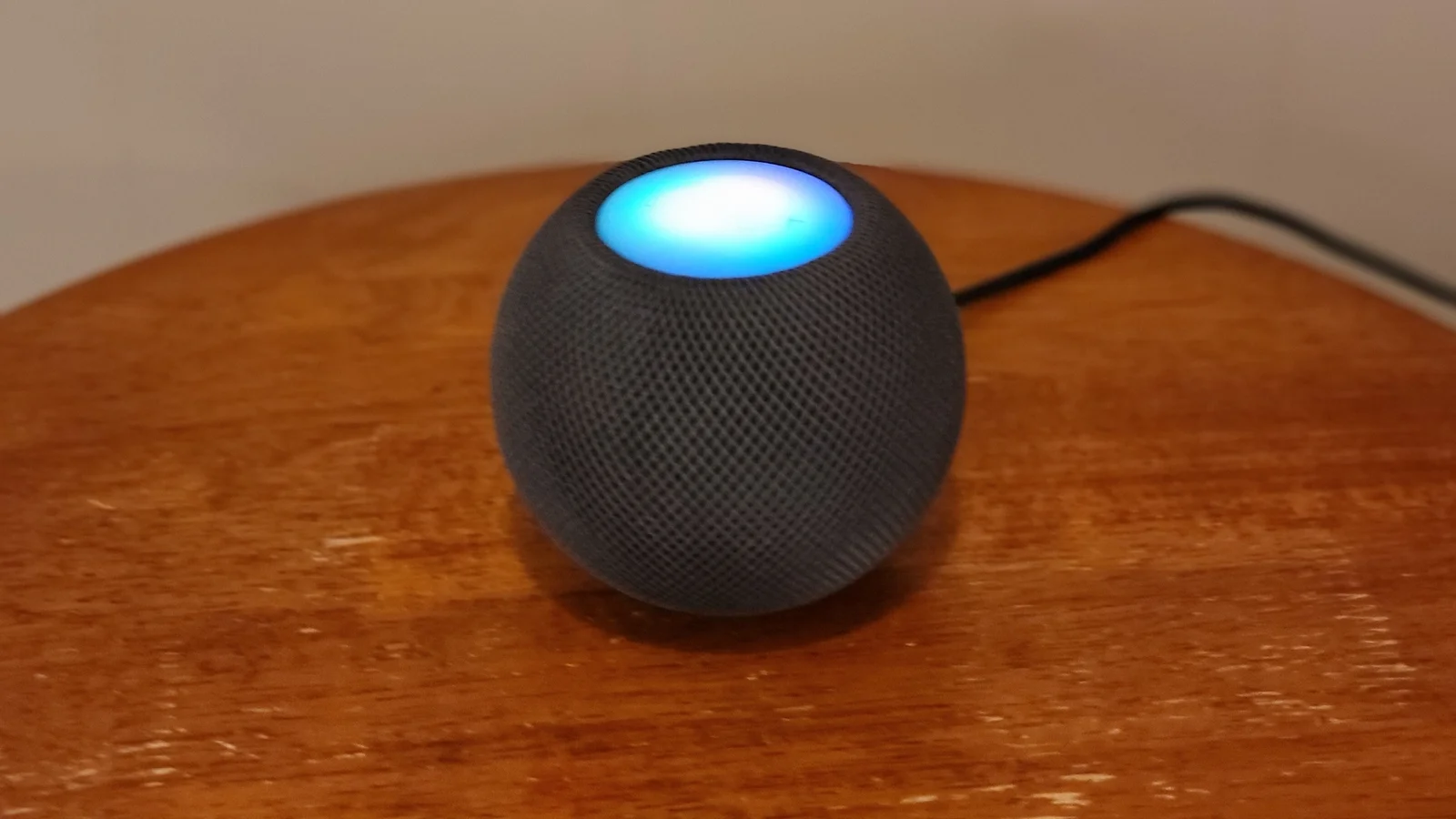
The original mini supports Thread networking for compatible accessories and can work as an Apple home hub with suitable software. Temperature and humidity sensors add another possible automation input. These features make it worth looking beyond audio, but they are not a reason to skip compatibility checks. Identify the exact accessories and protocols you intend to use. Avoid assuming that a Thread radio, Matter support, Wi-Fi, and a vendor’s cloud integration are interchangeable descriptions of the same connection.
Budget for the whole arrangement
Two matching minis can form a stereo pair, while multiroom listening introduces a different set of placement and network questions. Those options can also multiply the total cost. Start with one clear use case and expand only if it solves a real problem. The mini needs mains power; it is not a rechargeable portable speaker. Give the power connection a sensible location and check that the household is comfortable with the microphone and account settings before putting it in a shared room.
What works
- Compact enclosure for shelves and smaller rooms
- AirPlay and stereo-pair options
- Thread and home-sensor functions with compatible software
What to consider
- Best fit depends on Apple-device compatibility
- Mains power limits portability
- Music-service behavior needs checking
Who should buy it?
Consider it for an Apple-centered household that wants background audio and compatible home controls in a smaller room. A mixed-platform household or someone seeking a battery-powered speaker should compare other approaches.
The SmartBuy verdict
A considered choice?
An interesting compact addition to an Apple-centered home. Start with music-service and accessory compatibility, and buy for a small-room role rather than expecting one tiny speaker to cover every need.
Sources & transparency
Product details checked for this article on Nov 15, 2026. Availability, software features, and seller pricing can change.
Photography is used with permission or under the source’s editorial-use terms. See image credits. Read our affiliate disclosure.