Original editorial analysis of published product information. We have not conducted hands-on or laboratory testing for this article. Manufacturer claims are identified, and product photographs are credited to their sources.
The overview
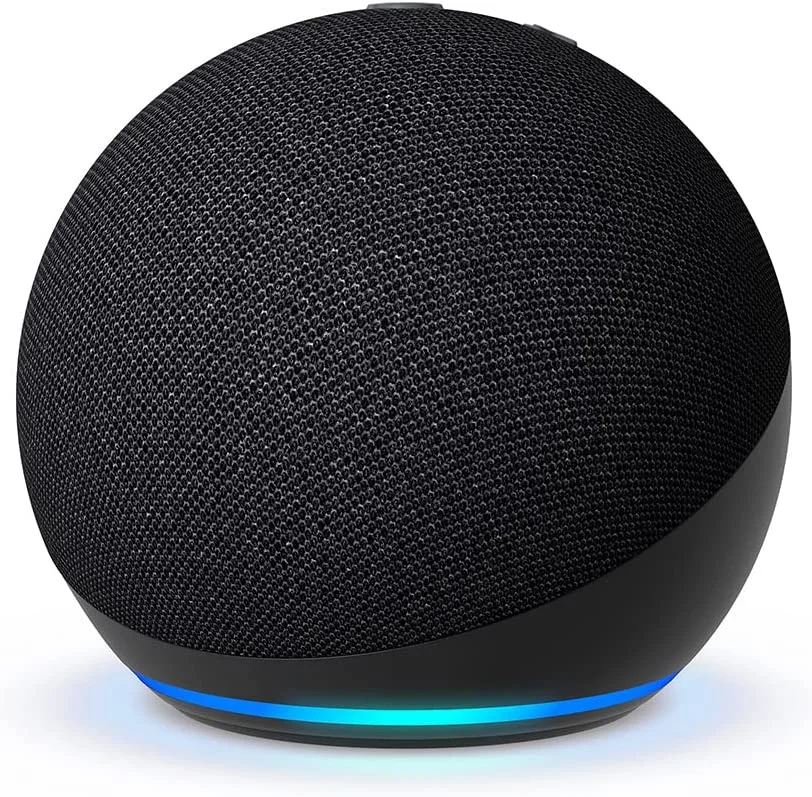
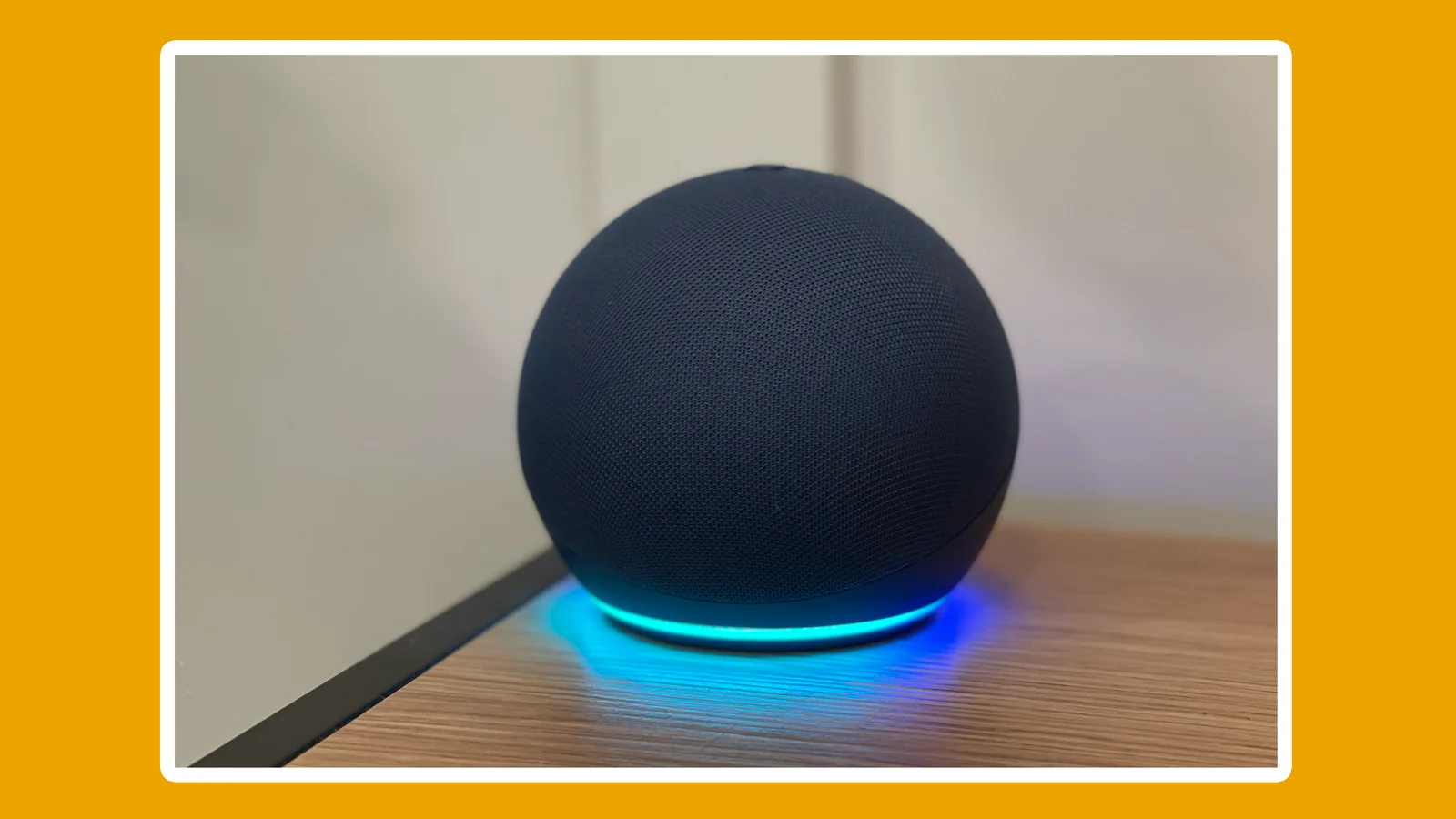
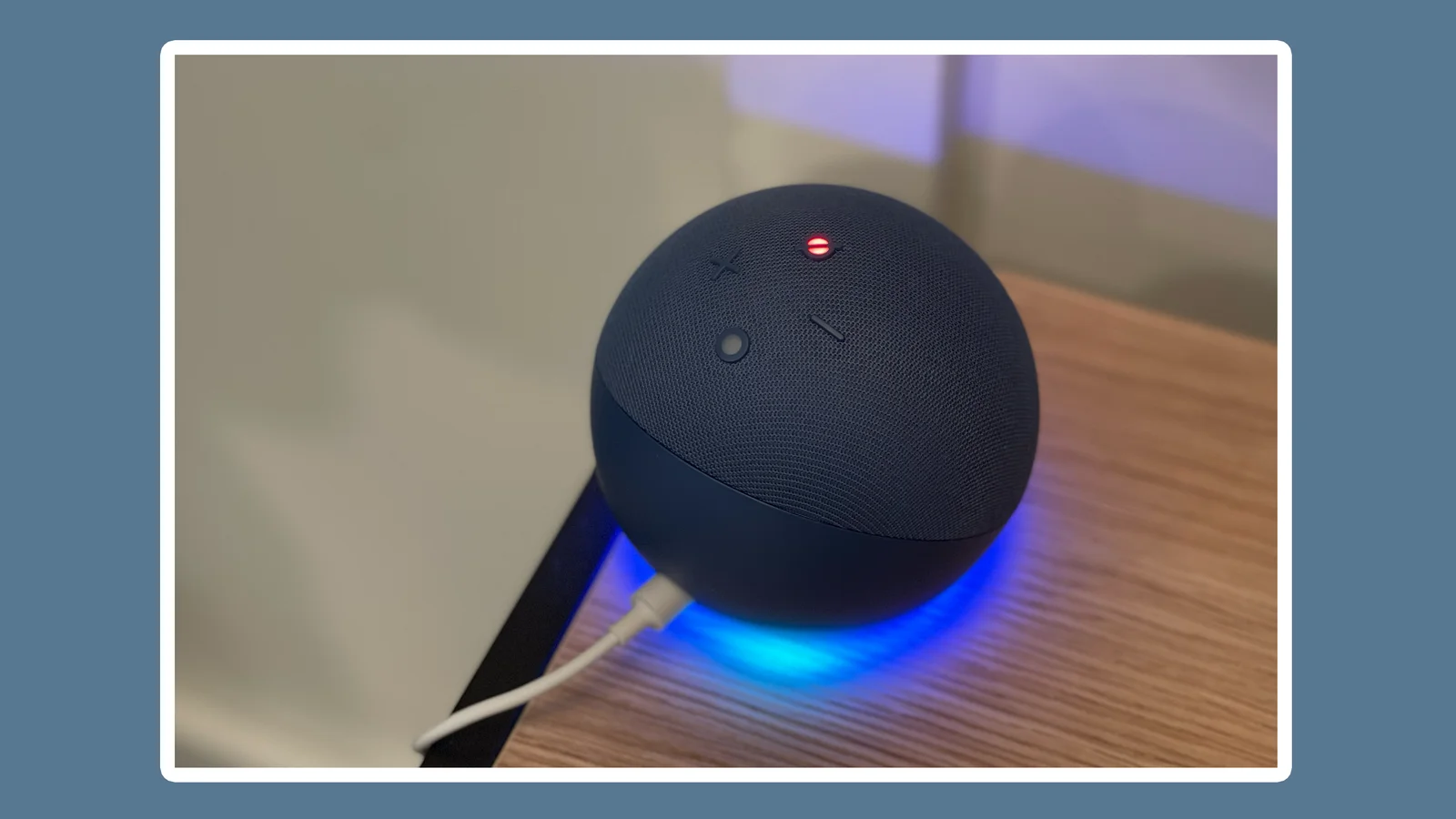
A small smart speaker works best when it has a clear role. For the standard Echo Dot fifth generation, that might be kitchen timers, spoken audio beside a desk, or voice control for compatible lights. None of those jobs requires turning every room into a showroom. The useful question is whether Alexa fits the household’s existing habits. This assessment covers the standard 2022 fifth-generation Dot, rather than the separate clock-equipped version.
Start with one everyday task
A timer that is easy to hear from the kitchen and a speaker for focused music listening are different requests. Identify which one matters most before buying. Small speakers also depend on where they are placed: a shelf behind objects is a different environment from an open countertop. We have not measured the Dot’s output or compared recordings, so this review does not claim room-filling performance or a specific improvement over another generation.
Check the service, not just the logo
Music, radio, and home-control integrations can depend on the service, region, account, and subscription involved. Check the exact function you want rather than assuming that a service name guarantees every feature. The same applies to smart-home accessories. Confirm the manufacturer’s stated Alexa integration for the precise model you own. A Wi-Fi label alone does not tell you whether voice control is supported or whether a separate hub is required.
Sensors should solve a practical problem
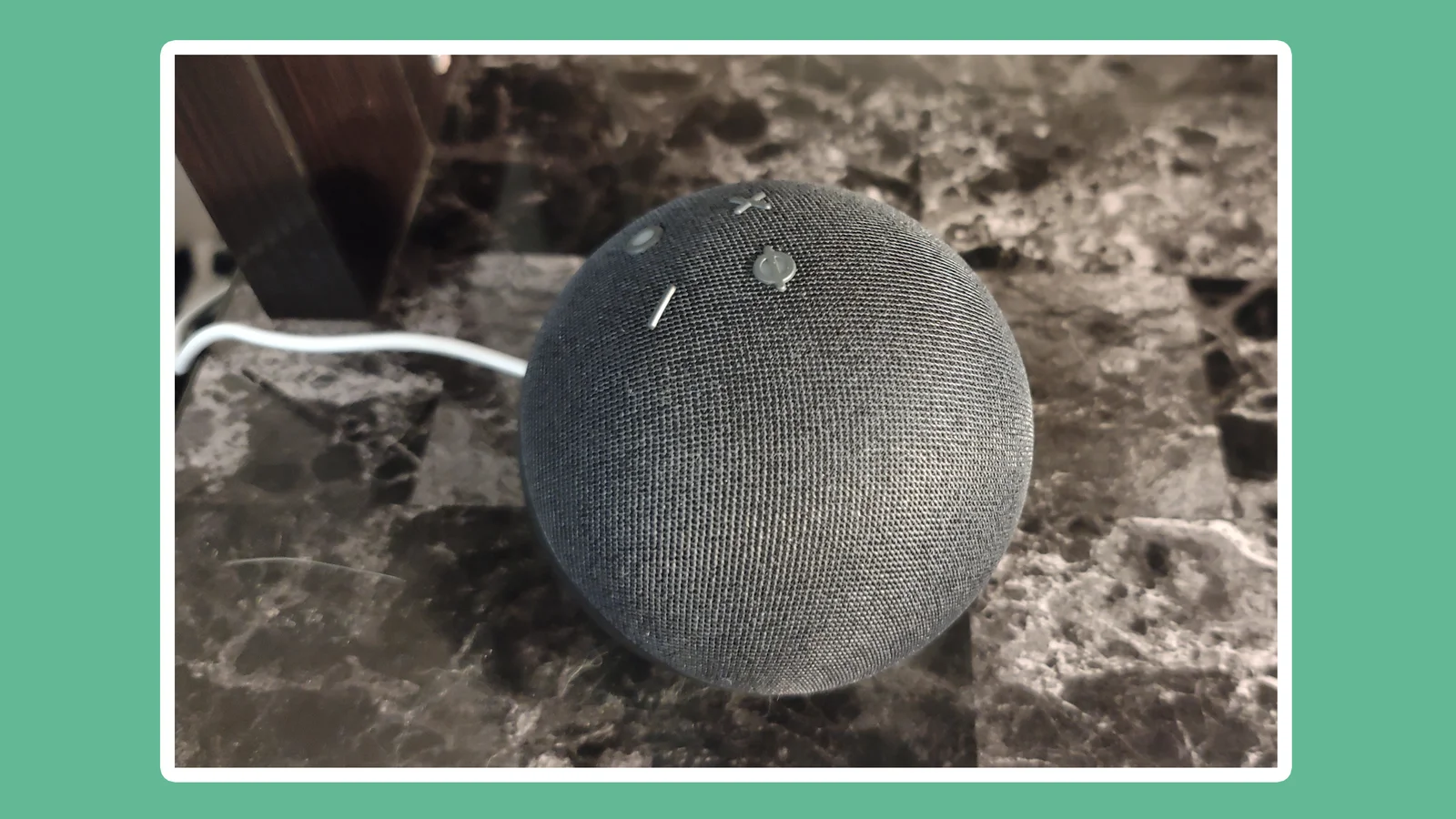
The fifth-generation Dot includes a temperature sensor that can be used with supported Alexa routines. That gives it a potential role beyond spoken commands, but an automation should be tested before you rely on it. Choose a simple, reversible routine first and check that its trigger and action behave as expected. A convenience sensor is also not a replacement for a dedicated alarm or any safety-critical control system.
Make room for privacy and ongoing costs
Before placing a voice assistant in a shared space, review the microphone controls and the account’s voice-history settings with the people who will use it. Also consider which requested services involve subscriptions. The purchase price of the speaker is only one part of ownership. The Dot is mains powered, so it needs a suitable outlet and is not a portable battery speaker. Those practical details matter more than adding another device simply because there is room on the shelf.
What works
- Compact format for everyday voice tasks
- Physical microphone-off control
- Temperature input for supported routines
What to consider
- Services and integrations vary by region
- Some services require subscriptions
- Needs mains power and an online account
Who should buy it?
Consider it if Alexa already fits your home, or if one clear voice-controlled task would help. A household that prefers to avoid cloud-connected microphones should look at conventional speakers and physical controls.
The SmartBuy verdict
A considered choice?
An accessible way to add Alexa to a room if its services and privacy controls suit your household. Buy it for a defined task, and verify the exact accessory integrations you need.
Sources & transparency
Product details checked for this article on Nov 15, 2026. Availability, software features, and seller pricing can change.
Photography is used with permission or under the source’s editorial-use terms. See image credits. Read our affiliate disclosure.